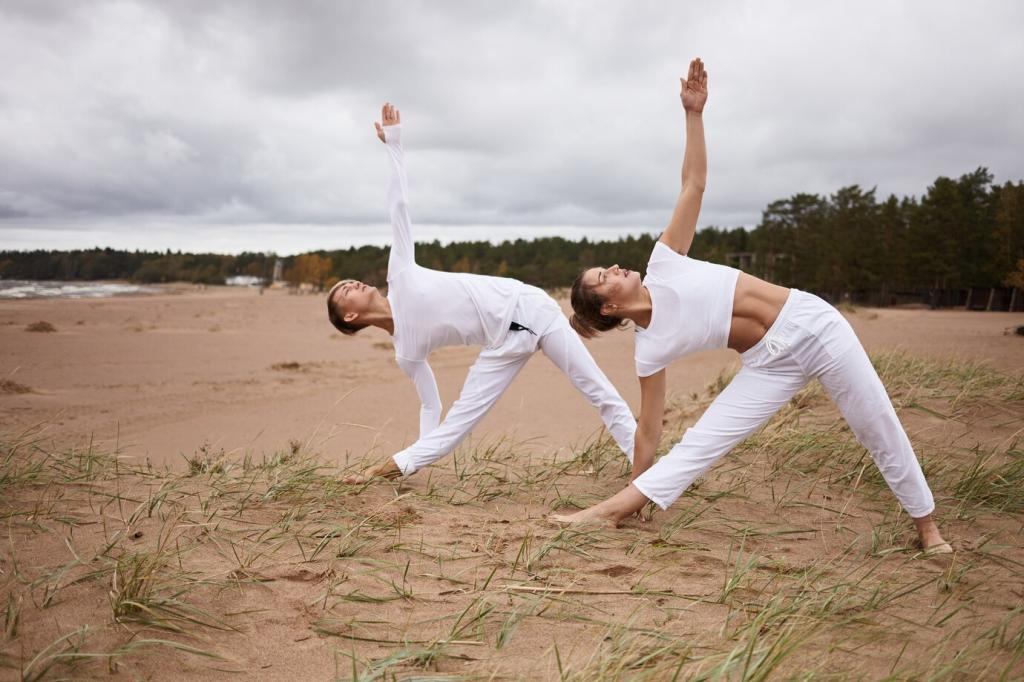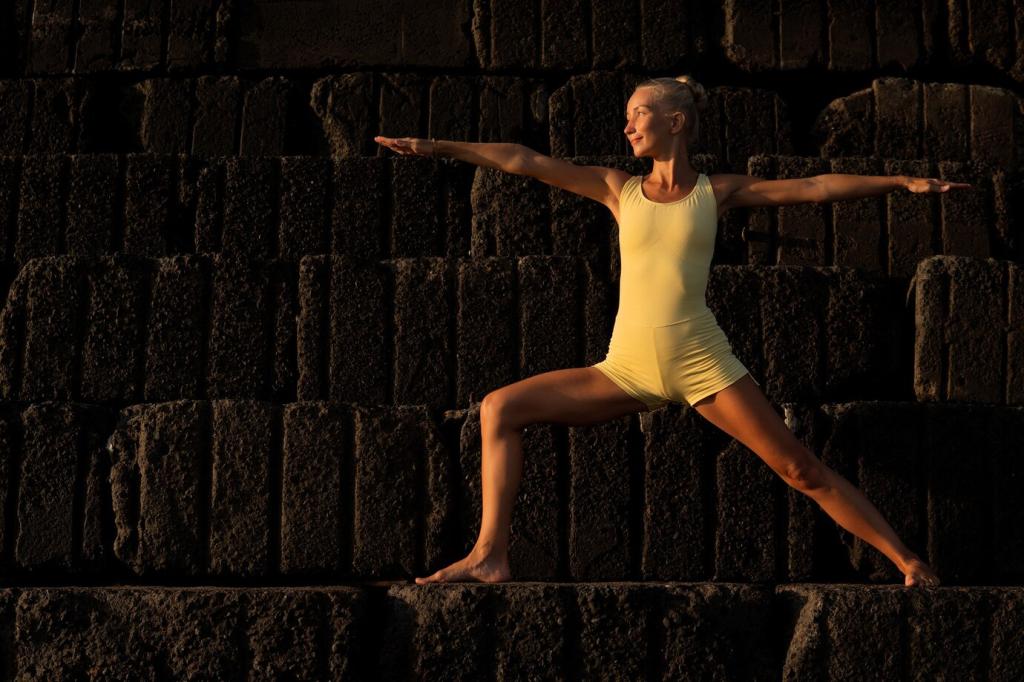
Today’s chosen theme: Dance Therapy for Trauma Recovery and Self-expression. Step into a compassionate space where movement rewrites difficult stories, restores safety, and opens a creative pathway to speak without words.

Why Movement Heals: The Science Behind Dance Therapy

Trauma often lives as tension, numbness, and hypervigilance. Slow, mindful movement can stimulate the vagus nerve, deepen breathing, and rebuild a felt sense of safety. Try three minutes of swaying with your hand on your heart and share one sensation you notice in the comments.

Why Movement Heals: The Science Behind Dance Therapy

Trauma can lock the body in bracing or collapse. Gentle rhythms, rocking, and bilateral steps coax the system from immobility into organized motion. Choose the tiniest movement that feels okay and let it grow by one percent. If that resonates, subscribe for weekly trauma-sensitive movement prompts.

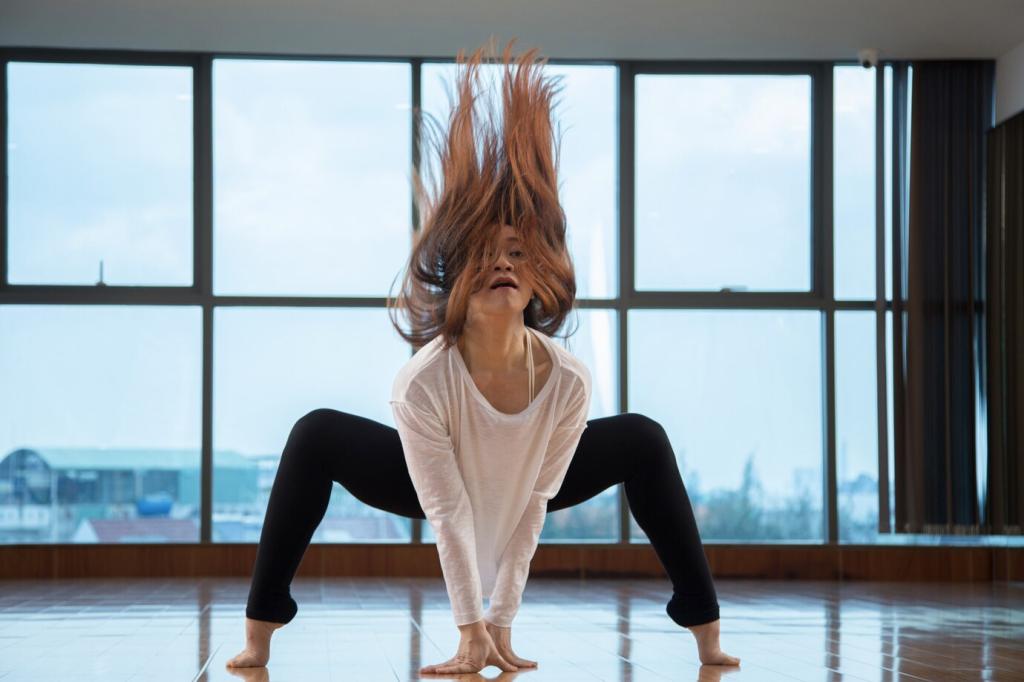
Starting Gently: A Trauma-informed Movement Ritual for Home

Close doors you want closed, leave exits visible, and choose lighting that feels friendly. Keep water nearby, silence alarms, and set a five minute timer. Tell your body it may stop anytime. Reply with one comfort item you will add to your practice corner.

Starting Gently: A Trauma-informed Movement Ritual for Home

Phase one, orient: scan the room and name five colors. Phase two, mobilize: sway, step, or trace shapes with wrists and ankles. Phase three, express: exaggerate one movement that feels true. If this flow helps, subscribe and we will send an audio guide to support it.

Stories from the Studio: Voices of Self-expression

For weeks she only tapped her toes, then one morning she risked a slow turn. She cried, smiled, and said the room finally felt round instead of sharp. Has a tiny movement surprised you like that? Tell us about your turning point, however small.

Creative Tools: Props, Playlists, and Prompts

Props that invite choice

A scarf can create safe distance, a chair can anchor stability, and a soft ball can awaken curiosity in the hands. Let props give you options instead of demands. Share your favorite item and how it changes your movement boundaries.

A playlist that breathes

Design music arcs that begin gentle, rise to lively, then settle. Favor instrumentals or lyrics that feel respectful. Include one track that connects you to nature sounds. Want curated, trauma-informed playlists each month? Subscribe and we will deliver them to your inbox.
Practice opting in, opting out, and asking for alternatives. Observing is participation. You may change your mind at any time. Comment with one boundary you want to practice this week so others can cheer you on.

Community and Consent: Building Safe Containers

Facilitators can use invitational phrases like if you like, you might try, or notice without judgment. This keeps agency with the mover and calms the nervous system. What phrases feel supportive to you? Share them so our community vocabulary grows.

Community and Consent: Building Safe Containers

Your Next Step: A 7-Day Self-expression Journey

Spend ten minutes orienting to colors, sounds, and textures. Keep movements small, like ankle circles or shoulder rolls. End with a hand to heart check-in. Journal two sentences each day and comment one insight that felt surprising.
Winning-every-month
Privacy Overview

This website uses cookies so that we can provide you with the best user experience possible. Cookie information is stored in your browser and performs functions such as recognising you when you return to our website and helping our team to understand which sections of the website you find most interesting and useful.