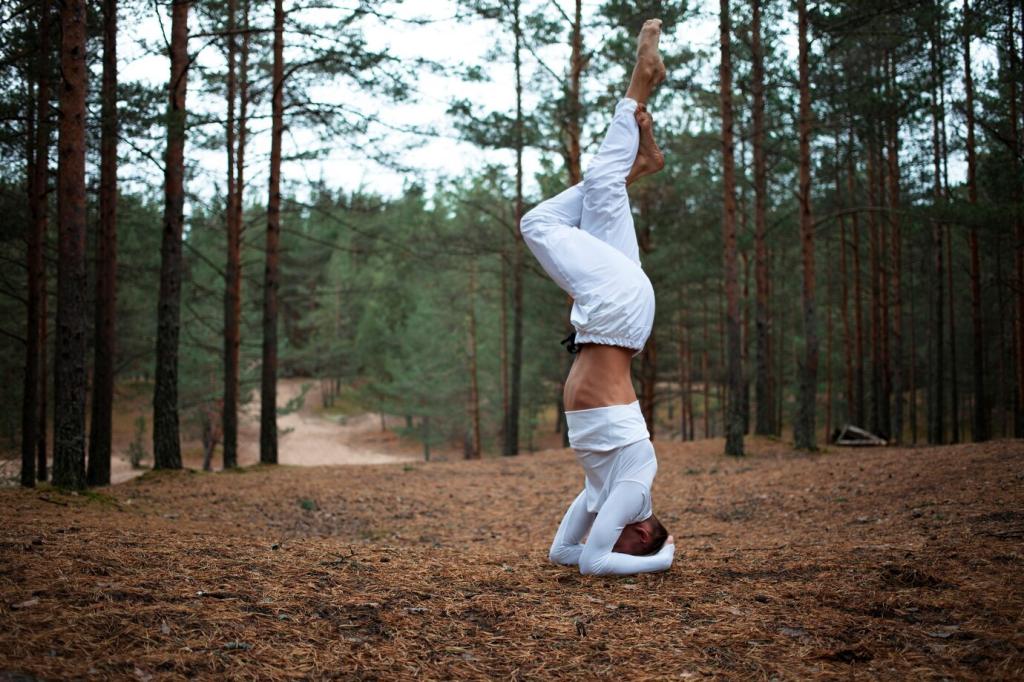

Theme: The Benefits of Dance Therapy for Emotional Healing. Step into a compassionate space where movement becomes a language for feelings that words cannot hold. Explore how rhythm, breath, and embodied expression can restore balance, resilience, and hope. Subscribe for new practices and share your journey with our growing community.

How Movement Unlocks Emotions

Sometimes it is easier to sway than to speak. Gentle, repetitive movements signal safety to your nervous system, allowing guarded feelings to emerge without pressure. Notice sensations, breathe deliberately, and let curiosity guide your expression.

Start Your Own Practice at Home

Clear a safe area, soften lighting, and choose one comforting object like a blanket or candle. Silence notifications. Invite your body to move as it is, not as it should be. Share a photo of your setup to encourage others.

Start Your Own Practice at Home

Minute one to three: breathe and sway. Four to six: trace figure-eights with shoulders and hips. Seven to nine: free movement to one song. Final minute: stillness and gratitude. Comment with your favorite track and reflections afterward.

Start Your Own Practice at Home

Choose songs that mirror your mood rather than fight it. Mournful pieces can gently companion sadness; brighter tracks can welcome hope. Build two playlists—comfort and uplift—and share recommendations to grow a supportive community library.

Stories from the Studio

After months of exhaustion, Maya arrived numb and skeptical. She began with fingertip spirals, then full-arm arcs, rediscovering breath. Weeks later, she noticed laughter returning. Her comment—“I feel like me again”—sparked dozens of supportive replies.

Stories from the Studio

Eli danced beside a chair, honoring limited energy after loss. He rocked slowly while holding a sweater, letting tears find rhythm. He later wrote that movement made memory tender, not unbearable. Add a message of kindness for anyone grieving.
Expect check-ins, grounding, and collaborative movement exploration. Verbal reflection follows to integrate insights. You set pace and boundaries. If anything feels overwhelming, therapists adjust. Comment about session elements you are curious about, and we will respond thoughtfully.
Look for credentialed practitioners, trauma-informed training, and a communication style that feels respectful. Ask about accessibility, cultural humility, and telehealth options. Share referral resources in the comments to help others start with confidence and care.
Before sessions, jot down sensations, triggers, or themes you want to explore. Bring a grounding object, choose comfortable clothes, and hydrate. Afterward, note shifts. Post your intention prompts to support newcomers beginning their healing journey.

Inclusivity, Accessibility, and Safety

Adapting for Different Bodies

Movements can be seated, supported, or micro-sized. Focus on breath, eyes, hands, or imagination when larger motion is not possible. Your healing is not measured by amplitude. Share adaptations that empower you, so others may benefit.

Trauma-Informed Principles

Choice, collaboration, and empowerment guide the process. Movements are invitations, never demands. You can pause anytime. Ground with touch, sight, or sound resources. Comment with techniques that help you feel safe, resourced, and present while moving.

Boundaries and Consent in Motion

Clear boundaries protect exploration. Decide what is private and what can be shared. If partnered, ask and receive consent before contact. Model this online too: offer reflections, not advice. Help cultivate a compassionate, respectful community dialogue.

Join the Conversation and Keep Moving

What movement feels safe today—a sway, a nod, or a hand wave? Describe it below with one feeling word. Your share might give someone else the courage to begin and breathe.
Winning-every-month
Privacy Overview

This website uses cookies so that we can provide you with the best user experience possible. Cookie information is stored in your browser and performs functions such as recognising you when you return to our website and helping our team to understand which sections of the website you find most interesting and useful.