Chosen theme: Exploring Different Styles of Dance in Therapeutic Settings. Step into a welcoming space where movement meets meaning. We explore how ballet, contemporary, hip-hop, Latin, and somatic approaches support healing, connection, and growth. Subscribe, comment, and share your movement story with us.
Rhythmic entrainment can calm hyperarousal, while structured sequences offer predictability that supports regulation. Gentle, repetitive phrasing nudges the vagus nerve toward safety, allowing breath to deepen and awareness to widen without overwhelming the body’s protective responses.
Why Different Dance Styles Matter in Therapy
Movement languages carry cultural histories. When therapy honors a dancer’s heritage, music, and values, trust grows. We seek consent, avoid appropriation, and co-create steps that celebrate identity, dignity, and belonging within the therapeutic space.
Contemporary Dance for Trauma-Informed Healing
Floorwork invites yielding: knees softening, spine heavy, palms sensing the ground’s patience. Coordinating exhale with slow reach teaches the body it can pause, listen, and return, replacing bracing habits with trust in supported movement.
Ballet-Inspired Techniques for Stability and Focus
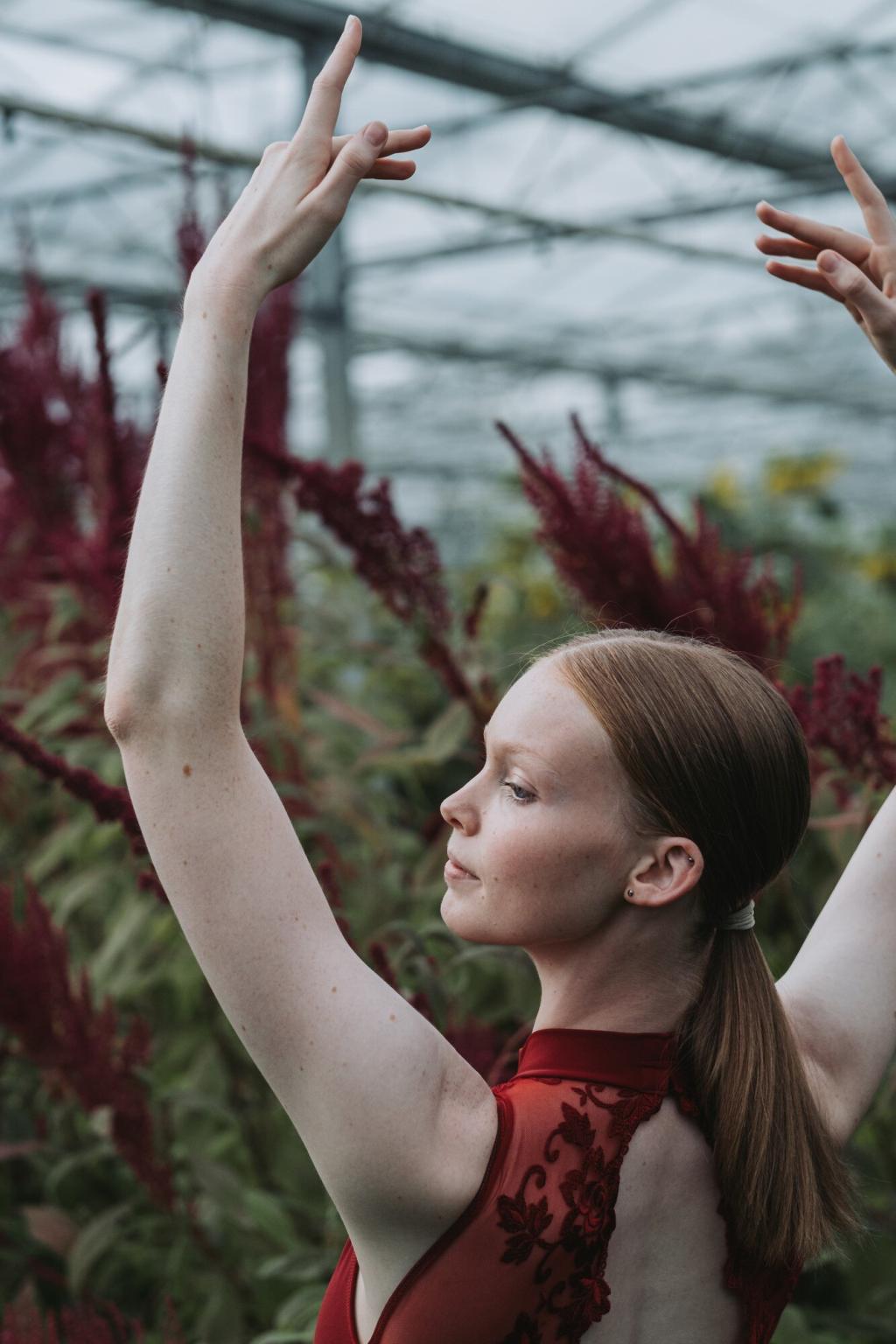
Soft demi-pliés, parallel first, and gentle port de bras refine joint stacking and muscular balance. Clients report less lower-back strain and improved gait when cues emphasize length, breath, and curiosity rather than rigid turnout or extreme ranges.
Ballet-Inspired Techniques for Stability and Focus
Predictable sequences become anchors. Counting to eight, pausing, returning—these rituals offer dependable milestones that quiet anxious spirals. Repetition teaches the body that steadiness is learnable, and that small progress is worthy of celebration.
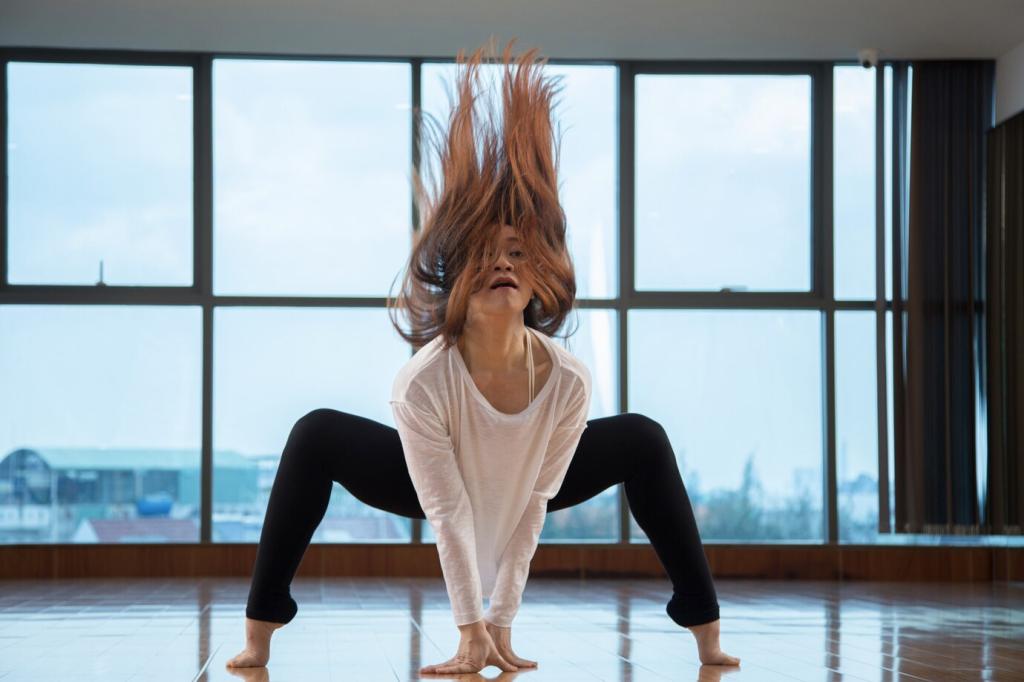
Stepping into a cypher becomes a supported choice rather than a demand. Peers witness, not judge. Call-and-response grooves validate presence, while respectful boundaries and opt-in participation protect safety and nurture shared joy.
We teach explicit verbal and nonverbal consent before partnering. Leaders and followers practice clear, gentle cues, role switching, and the right to pause—skills that translate into everyday boundaries and respectful communication.
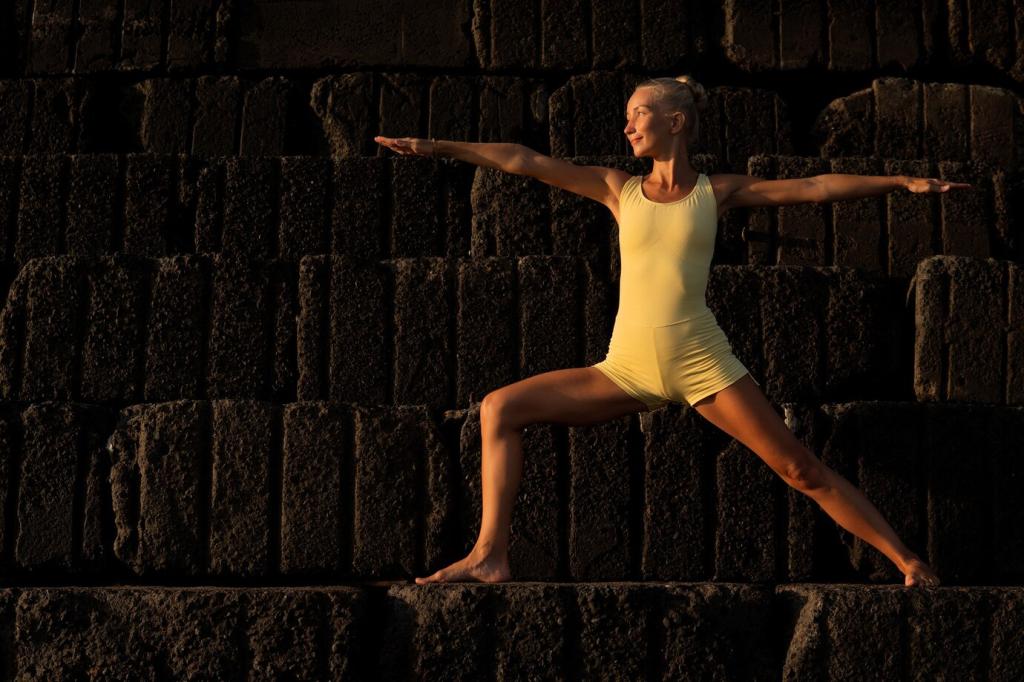
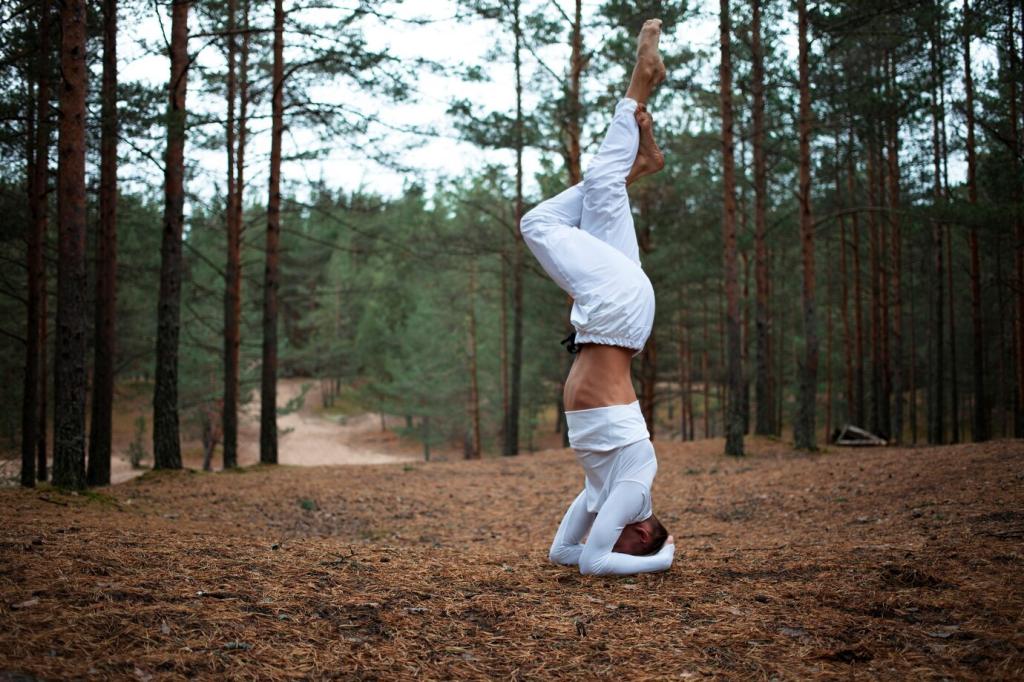
Guided scans notice warmth, tingles, fullness, and fatigue. Naming sensations without urgency helps clients discern needs and limits. Movement arises from feeling, not force, which often decreases fear and defensive bracing around tender areas.
Imagery prompts that unlock creativity
Prompts like “move as if through warm water” or “paint space with your elbow” ignite imagination and ease. Imagery bypasses perfectionism, letting curiosity steer effort and revealing surprising paths to comfort and expression.
Gentle recovery after injury or burnout
Small, non-linear explorations rebuild confidence while respecting tissue healing and emotional stamina. Clients learn to negotiate limits kindly, discovering that sustainable progress often comes from softer, slower, kinder attention to detail.
Begin with breath, gentle joint spirals, and tempo exploration. A quick check-in—words, gestures, or emojis—guides intensity and style choices. Readers, how do you like to start moving? Share your favorite warm-up ritual.
Designing a Safe, Blended Session
Select one high-energy segment, then transition through mid-tempo grooves to reflective phrasing. Announce changes before they arrive. Choice and pacing keep arousal within tolerance while protecting curiosity and momentum.
Measuring Change Without Killing the Groove
Use simple scales for balance, range, and ease, observed during actual dancing rather than isolated drills. Note recovery time, coordination, and comfort with choices—markers that reflect functional, felt improvements.
Measuring Change Without Killing the Groove
After sessions, jot two sensations and one emotion, then set a tiny goal like “two songs of gentle groove tomorrow.” Comment with your favorite reflection prompts, and follow for downloadable check-in cards.