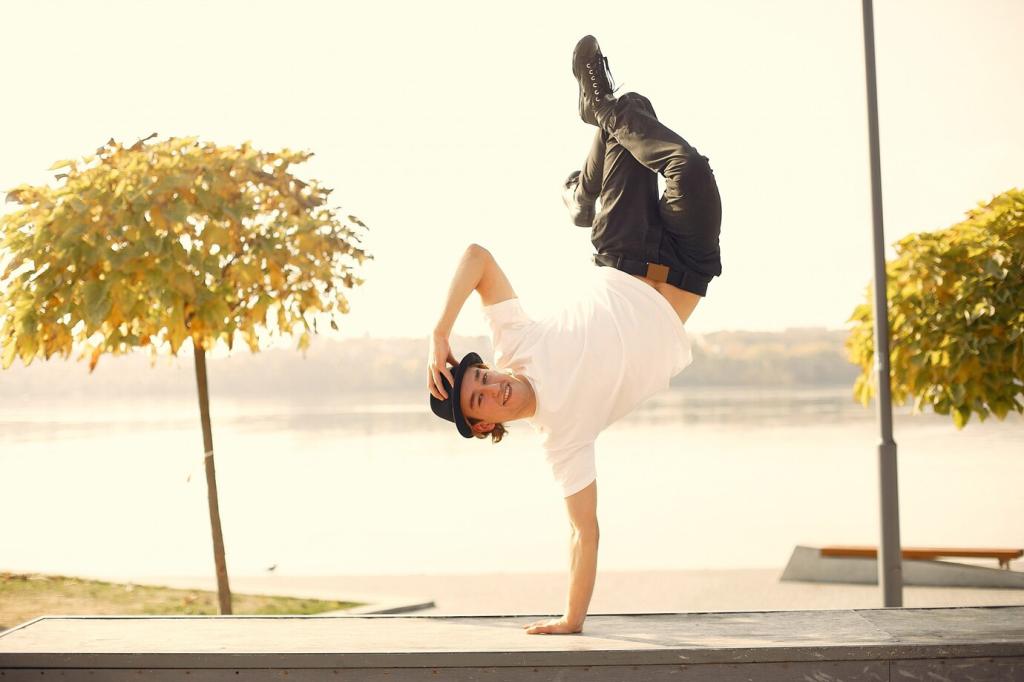
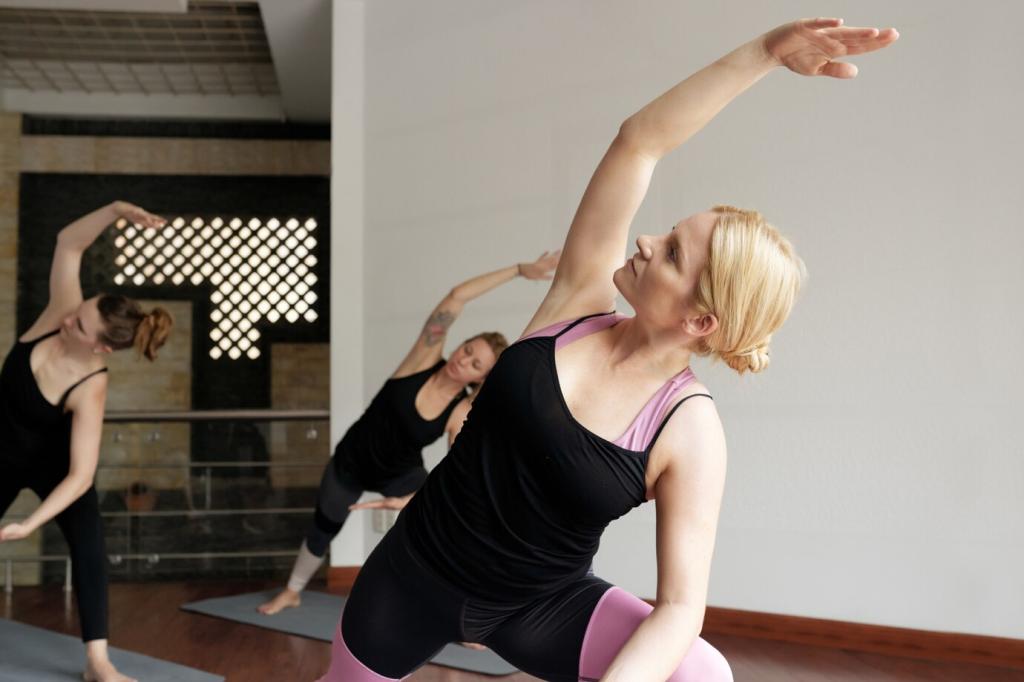
Chosen theme: “Dance Therapy Techniques for Stress Reduction.” Step into a welcoming space where breath, rhythm, and mindful movement help soften tension, settle the nervous system, and restore everyday ease. Stay with us, try the practices, and share what you notice—your experience can inspire someone else today.

Studies suggest dance movement therapy can reduce perceived stress and anxiety while improving mood and body awareness. Gentle repetition and rhythmic structure provide predictability, signaling safety to the brain. Notice your breath after even two minutes of swaying. If this resonates, subscribe for weekly science-backed movement prompts you can explore at your own pace.

Why Movement Calms the Nervous System

Four-Count Exhale with Sway
Stand with feet hip-width. Inhale for four counts, exhale for six, and allow a subtle sway through knees and ankles. Keep shoulders soft, jaw unclenched. After one minute, notice any change in temperature, breath depth, or mental chatter. Share your favorite calming track so we can build a community-sourced grounding playlist.
Foot Drumming and Body Scan
Alternate tapping heels on the floor—left, right, left, right—like a steady drum. Map sensation from soles to crown, naming areas of warmth or tightness. This anchors attention without force. When finished, shake out your hands gently. Comment with a word that captures your post-practice mood, like lighter, steadier, or clearer.
Anchor Song Ritual
Choose one song under three minutes as your daily anchor. Begin with a deep breath, then move simply—circles, sways, or steps. Repeat the ritual at similar times to strengthen the association with calm. If it helps, set a reminder. Tell us your anchor song and why it works, so others might discover a helpful cue.

Improvisation for Emotional Release

Whisper a single word that names your stress—tight, rushed, overloaded. Let your body mirror it for ten seconds, then gradually soften edges: slow it, shrink it, smooth it. Notice when discomfort shifts toward curiosity. A reader once shared that this practice turned a frantic morning into a focused one. Try it and report back.
Start at the fingertips, shaking gently, then wrists, elbows, shoulders, torso, hips, knees, and ankles. Keep breathing as if fogging a mirror. This quick reset helps release muscular bracing and mental buildup. End with stillness and a sigh. Post a comment with your favorite time-of-day for a shake-out, and inspire someone’s routine.
Create a small gesture for relief—hand to heart, palm open, gentle nod. Repeat it three times, then write one sentence about what shifted. Cycle movement and words for three rounds. Over days, you will notice patterns. Share a nonverbal gesture that comforts you; our community learns richly from these tiny, tender practices.

Shaping Space: Levels, Lines, and Flow

Lowering toward the floor naturally slows pace. Try seated circles through the spine, rolling shoulders, and soft head nods. Imagine exhaling weight into the ground. Many people experience a quieting effect within minutes. If floorwork is not accessible, adapt seated in a chair. Tell us which variation supports your nervous system best.

Shaping Space: Levels, Lines, and Flow

Stress can make movement rigid and linear. Cross your space along diagonals—corner to corner—with gentle steps and swinging arms. Diagonals invite integration across the body and mind, restoring fluidity. End by tracing a diagonal with your fingertip in the air. Share how this felt, and whether your thoughts became less narrow.

Shaping Space: Levels, Lines, and Flow

Playing with continuous movement—circles, spirals, figure-eights—can create a sense of timelessness where worries loosen their grip. Keep effort easy, breath steady. If a shape feels nourishing, repeat it softly. When you finish, note the clock and your mood. Comment if you noticed time bending, even slightly, during your practice.

Shaping Space: Levels, Lines, and Flow

Lorem ipsum dolor sit amet, consectetur adipiscing elit. Ut elit tellus, luctus nec ullamcorper mattis, pulvinar dapibus leo.
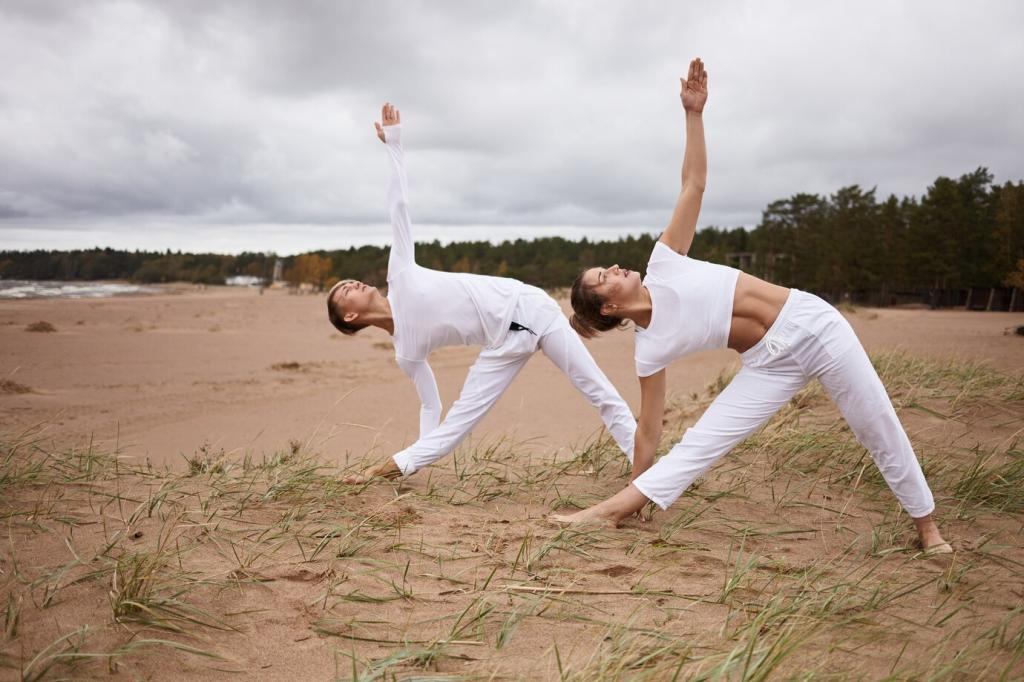
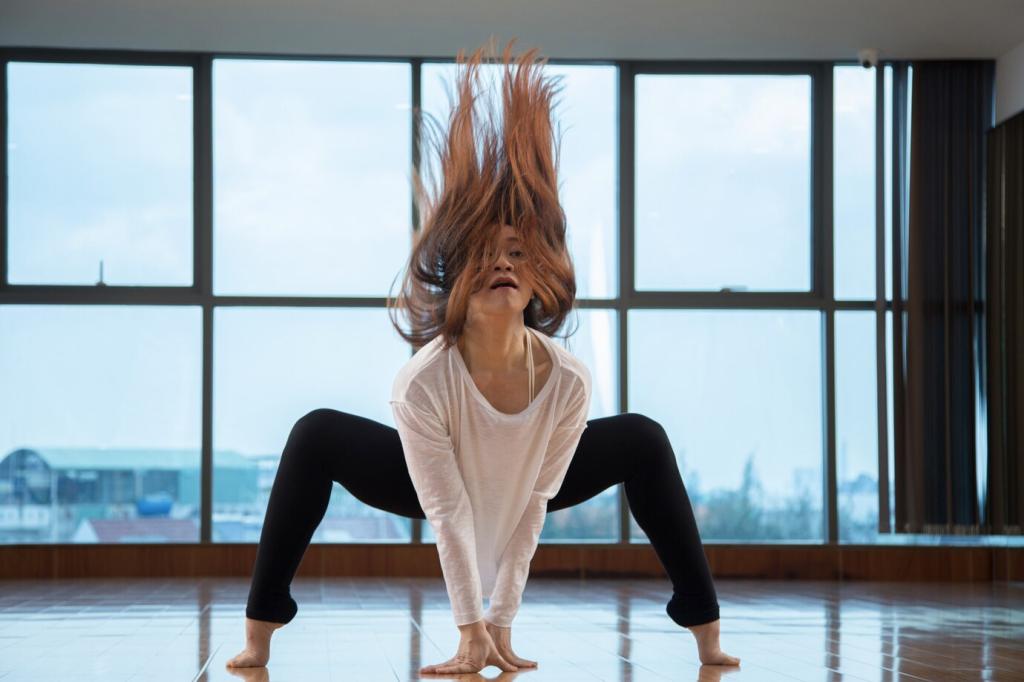
Elevator Reset

Stand tall, soften knees, and subtly shift weight from foot to foot as the elevator rises. Match inhales to upward feeling, exhales to downward settling. This tiny pulse recalibrates tension quickly. After arriving, take one long breath before stepping out. Share your favorite micro-moment for a reset so others benefit, too.

Email Decompression

Before replying to a tense message, circle your wrists and elbows, then draw slow figure-eights with your nose. This interrupts reactive patterns and opens perspective. Finish with a long exhale through pursed lips. Tell us if your tone softened or clarity improved; your reflections help refine our stress-reduction toolkit together.

Evening Unwind

Dim lights, play a slow track, and trace large arm arcs like painting the air. Imagine rinsing residue from the day. Let knees bend and spine ripple. End by lying down with a hand on the belly. Comment with a single word that captures your post-practice feeling—rested, hopeful, present, or something entirely yours.
Curate three tracks: one to arrive, one to process, one to restore. Keep tempos progressively slower. Revisit weekly and adjust based on your mood. If you like, include instrumental options for softer focus. Post your playlist in the comments, and subscribe to receive seasonal mixes crafted for gentle nervous system support.
Maya, a reader, once wrote that a two-minute sway ritual helped her show up grounded for a tough conversation. Stories spark courage. Drop a few lines about your own practice win—small or big. Your voice could be the nudge someone needs to try their first calming step and breathe a little easier tonight.
After today’s movement, complete this sentence: “When I exhale and move, I notice…” Write for four minutes without editing. Circle one phrase that feels true. Consider repeating the practice tomorrow. Comment with a resonant word or emoji; small reflections build collective wisdom and keep the community empathetic, practical, and brave.

Cultural Roots and Respectful Adaptation

Call-and-response, polyrhythms, and grounded footwork support regulation through community and pulse. Explore respectfully with credited teachers and sources. Adapt movements to your body’s needs while acknowledging origins. If a rhythm settles you, share the artist and region so others can learn, listen, and move with cultural awareness and gratitude.
Winning-every-month
Privacy Overview

This website uses cookies so that we can provide you with the best user experience possible. Cookie information is stored in your browser and performs functions such as recognising you when you return to our website and helping our team to understand which sections of the website you find most interesting and useful.